This set of acrylic paints by CraftArt is ideal for painting over glass thanks to its satin finish. The set includes 12 paints in a useful variety of colors. While these paints are perfect for glass, they can also be used over the canvas, wood, fabric, ceramic, paper, and all kinds of other surfaces. The paints are completely safe to use thanks to their non-toxic properties.

Their water-base makes them convenient for cleaning up and using by all. The FolkArt acrylic paint set can be used indoors or outdoors thanks to its versatile durability. You get bright colors and quality pigments in this set.

Acrylic Glass Paint or Acrylic Enamel Paint – Specialized acrylic glass paint is easy to use and fortunately does not require using heat to set the artwork. They are water based paints, but not only that, they will naturally have a nice gloss to their finish which will ensure its long-term water resistance. Acrylic paints are suitable for a very wide range of surfaces and materials – including glass. When applying acrylic paint on glass, enamel paint is best as they are durable and adhere well to smooth surfaces. Even though these paints will work well with glass, the glass will still need to be properly p[repared for painting.

Make sure that there is no dirt, dust, or oils on the glass. You can also add a layer of primer to make sure that the acrylic paint on glass adheres strongly. You can also protect the paint with a sealant or varnish to help to prolong its lifespan. What is the best sealer for acrylic paint on glass? To seal acrylic paint on glass, purchase an acrylic sealant that is suitable for use on glass surfaces.

Choose a glass paint sealer with a glossy finish for best results. These types of sealant are available in spray-on or brush-on formulas. Apply a Glass Paint Sealer To seal acrylic paint on glass, purchase an acrylic sealant that is suitable for use on glass surfaces. Crylic paints are so popular because you can use the paints on a variety of surfaces.

Yes, painting glass with acrylic paint is possible and you can paint on many other surfaces including wood, metal, paper, canvas, plastic, and some even work on leather. Acrylic paints are much thicker in consistency when compared to watercolors, which makes them a lot easier to paint with. Even though acrylic paints are easy to use, with glass you have to prepare the surface before painting.

Acrylic paint on glass produces beautiful and amazing pieces of art that can be created by beginners and professionals alike. I brush apply this product in one or two layers to all my canvases and wood panels directly onto the raw surfaces. This layer or layers will inhibit what is called SID . Without this layer, you may see a slight yellow staining on light colors and pastes, where water soluble impurities move through layers of acrylic.
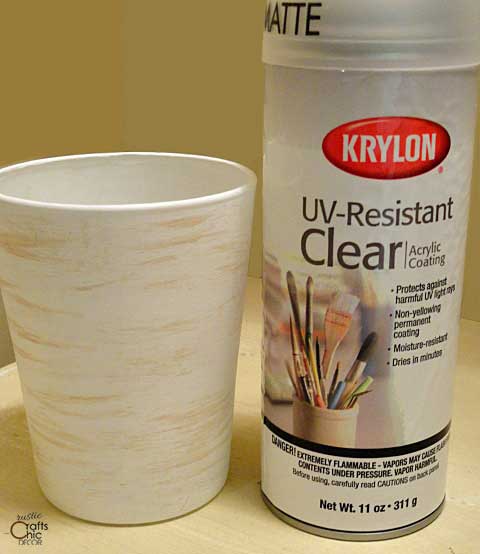
Without this stain sealer, the more acrylic layers you apply, and/or the thicker the layers, the faster and more visible the yellow stain will appear. Staining happens usually within 20 minutes of applying an acrylic layer if the surface is not sealed. After this product is applied to the painting surface, I then apply primer . I also use this as a thin medium to thin my paints without adding water.
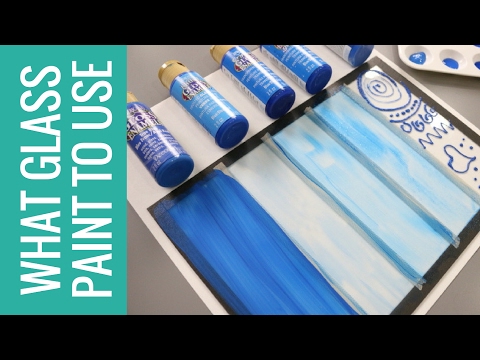
This big 20 pack set of acrylic paints by Arteza features some beautifully rich and vibrant colors. The paints are created with a high pigment content which offers a rich and smooth finish that lasts a long time. When it comes to acrylic paint on glass options, these paints are a luxurious option. They have a high viscosity which helps to make them more long-lasting once dried. This set of acrylics is suitable for indoor or outdoor use. The paints have good durability, and are self-sealing, scuff-resistant, and adhere well to many different surfaces.

The paints are water-based for convenient use and have a non-toxic formulation. If you're waterproofing an acrylic painting on canvas, you'll want to add a sealer to complete the project. Most canvases are pre-primed to hold acrylics to the surface. You can use a Gesso primer to prepare an un-primed surface.

When the primer is dry, the canvas is ready for you to create your art piece. Applying a sealant over the painted glass helps to prevent the paint from chipping, fading and wearing off. Acrylic sealant is available in spray-on and brush-on forms.

However, you should choose a sealant, polyurethane coating or polyurethane varnish with a glossy finish that is safe for use on glass surfaces. Acrylic enamel paints are easy to use and usually do not require heat to set. They are water based, so they dry quickly and harden to create a glossy finish. Brands likeFolkArt enamel paint are usable on both glass and ceramic and are dishwasher safe once cured.

How to seal acrylic paint on glass is also a challenge. This is because glass is one of the smoothest surfaces you can paint acrylic paint on. However, you can choose either of two ways to do it. One is by baking the paint on the glass, and the other is by applying a finishing layer of varnish on the paint. If you will bake acrylic paint on glass, there are just a few important things you need to remember.

Seal acrylic paint for glass with a varnish or gloss acrylic sealer to protect the acrylics from yellowing and cracking over time. This set of 12 acrylic paints will leave a satin finish behind on your glass surface as well as surfaces such as wood, canvas, fabric, paper, ceramic, and more. These paints are water-based, non-toxic, and can be used on both indoor and outdoor surfaces. Before you can paint your acrylics onto a glass surface, however, you will need to make sure that the glass is free of any dirt, oils, and other impurities. Applying a primer will ensure that the acrylic paint is able to stick to the surface of the glass.

Once you have finished painting, you can apply a sealant or varnish to protect your work and help to prolong its lifetime. Usually, acrylic paint on glass will take about an hour to dry. With some enamel paints, the drying process could take a full week before they are cured. To dry out the paint entirely, the glass is best left out in a warm and sunny area.
Yes, but this can be enhanced through baking or sealing. Applying a sealant adds extra protection, and baking provides numerous benefits to the glass artwork. As a painting medium, acrylics are water-resistant, durable, versatile, easy to clean up, and not very toxic. You can use a variety of varnishes to seal acrylic paint on plastic.

You can use Polycrylic, a popular brand of sealer used on acrylics, to seal acrylic paint on plastic. It is a combination of polyacrylate and polyurethane and is formulated for use on acrylic paints. Polycrylic is a versatile product especially for beginners because it is easy to spray on. Likewise, it is available in at least 3 different finishes, including glossy, semi-gloss, and matte. Acrylic is highly versatile and works for almost any project, including glass, windows, and even stained glass.
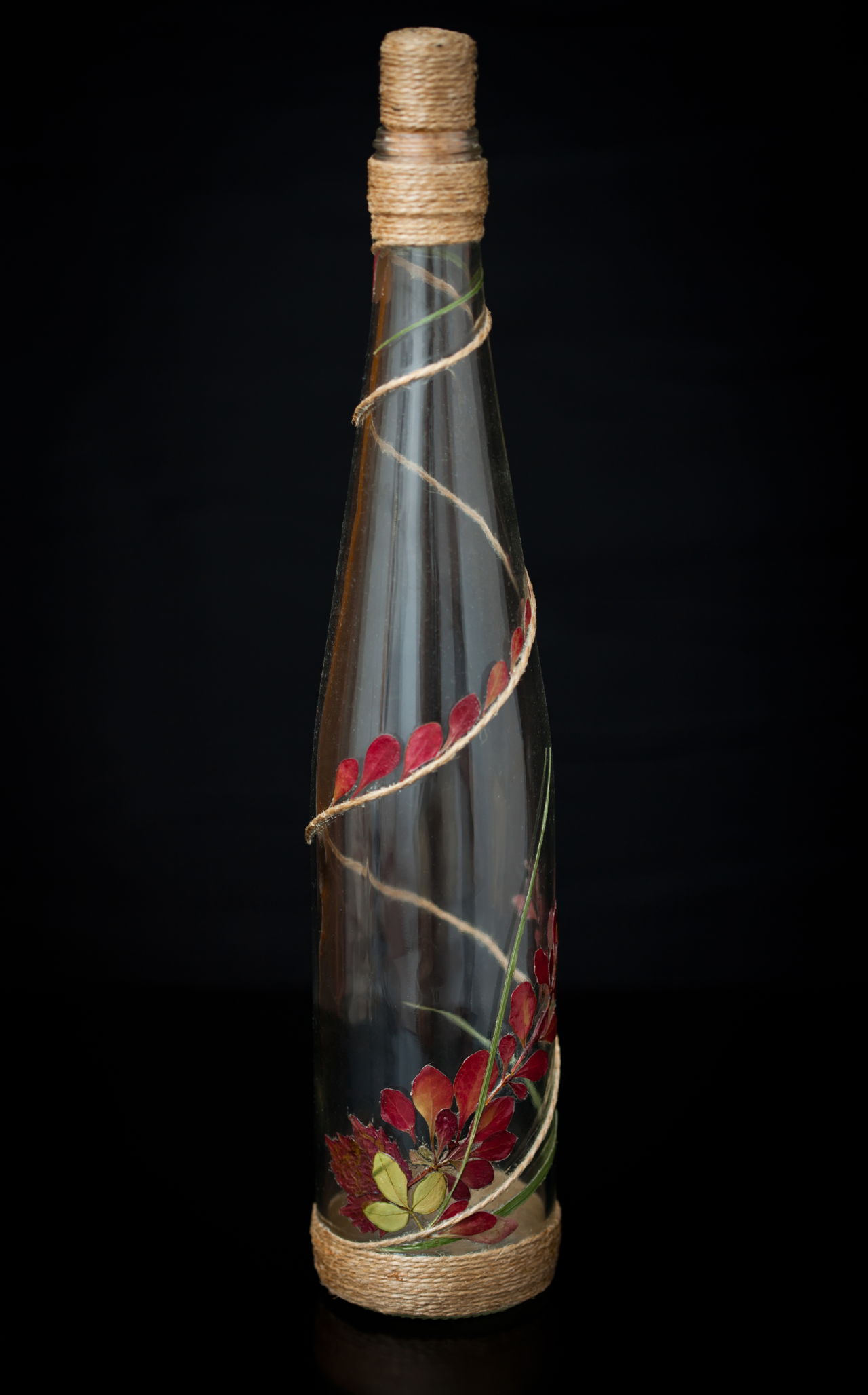
You can paint acrylics on glass, but it won't be as easy as canvas painting. Unfortunately, acrylic paints will stick to glass only if you're using a special medium and prime your glass surface properly. We all know how important it is to seal acrylic paint. There are different types of sealants available on the market today, so we will discuss what those options are as well as some tips for painting with acrylics.

How to Seal Acrylic Paint on ShoesI'm going to show you how to seal acrylic paint on shoes. I will be demonstrating this technique using a pair of black canvas sneakers, but it is applicable for any type of shoe. First, I applied two coats of white acrylic paint with a ¼ inch foam brush and then sealed the surface with 3 coats of Mod Podge Gloss Sealer in Matte Finish. The final product created a durable and water-resistant finish that is perfect for rainy days. I hope these techniques help you in your next painting project.
I came across it while researching on how to protect my acrylic on canvas. There is a slight twist to it, my acrylic painted is gilded with gold foil using PVA glue. Do you think a varnish spray will make any of these materials dissolve & run or lose their hold onto the canvas? Also a few details have been added using silver oil based metallic ink…. I'd be so so very grateful to have your opinion on the same.

You need to ensure that the paint on the glass has been dried properly before applying sealant or baking it in the oven. For a better result, dry your painted glass piece at least 24 hours before baking it. You always try to be careful to wash your glass paint. It is better not to use water for regular washing. I will suggest you clean the dust with a soft cloth or tissue paper.

While choosing paint, choose a paint that will stick to glass. All types of acrylic paints do not stick to glass easily. It will be best to use enamel-based paint to make the glass surface prepared. Varnish is the standard go-to for sealing painted wood surfaces.

It can completely transform a wooden object's appearance, changing the color tone or adding a glossy finish. However, you can seal other surfaces with varnish too. Another way to seal acrylic paint on glass is by using an acrylic sealer or varnish.
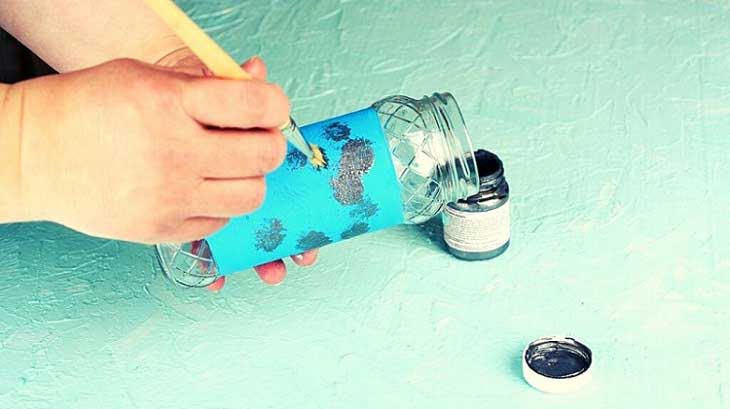
You can choose between pressurized spray-on acrylic sealer or a brush-on type of sealer, like a Mod Podge. The spray-on type leaves on a finer and smoother layer of varnish than the brush-on type. However, both will give you an excellent protective topcoat on your glass material. Water-based polyurethane varnish creates a clear and hard surface on your ceramic mug. This will protect the acrylic paint from dust and scratches, and from easily peeling off as a result of constant handling.

It is softer than oil-based polyurethane varnish and therefore easier to apply using either a brush or a spray. Enamel-based acrylic paints are the best for lasting effects, of which there are many different types that will produce different finishes. Most enamel paints take longer to dry than water-based paints, but these will result in a much more durable finish. There are a number of factors to take into consideration when selecting the best acrylic paint for your project. It's slick and nonporous, so there aren't any spaces for a substance to grip and stick to the glass.

It's not impossible to decorate, though, and many people use paint to make glassware more beautiful. If you use ordinary acrylic paint, not designed specifically for painting glass, you need to protect your work to keep it from scratching or washing off. An acrylic sealer is ideal if you want to seal paint on glass, since acrylic sealers are easy to use and clean up with soap and water.

If you choose to add an additional layer of protection to the acrylic paint on glass, then using a sealer works well. Just try to use sealers only on glassware that is decorative, otherwise, make sure that you have a food-safe sealer available. Below are the top sealers to use for applying to painted glass. Well, first the glass surface needs to be prepared. Glass is very smooth, so the paint will; need a suitable surface to adhere to.

When preparing the glass, start by washing it completely in soapy water. When dry, wear latex gloves to make sure you don't leave any marks or fingerprints on the glass. Wipe down the entire glass surface with rubbing alcohol or vinegar and let it air dry again. One way is by using varnish or polyurethane sealant on the surface of your painting while it's still wet. You can also use a spray-on coating, which will give an even more durable finish with less effort than if you were to brush on the sealant yourself. Lastly, there are many brands of acrylic paints that already come sealed in their containers.

But, acrylic resin varnish provides a tougher topcoat than the water-based polymer varnish. This is especially suitable for exterior coats and outdoor material. Acrylic resin varnish is generally oil-based and gives a more durable finish. However, if you want a more durable finish on your canvas material, it is recommended to use an isolation coat before applying the acrylic resin varnish. The isolation coat acts as an interface for the acrylic resin varnish to stick better on the paint and produce a tougher finish.

What Can I Use To Seal Acrylic Paint On Glass On the other hand, acrylic polymer varnish is relatively odorless, because it is water-based. It also gives a durable topcoat to acrylic paint and protects it from dust, scratches, peeling off, and other causes of damage. The finish it gives is not as hard and tough as the resinous type. However, acrylic polymer varnish can also give your painted material a glossy finish.